Anaerobic Digestion Systems

Anaerobic digestion involves harnessing the natural process whereby organic matter is broken down by bacteria in the absence of oxygen to produce biogas. This can be used as a renewable energy source, both for heat and power. Alternatively, the carbon dioxide and other impurities can be removed to produce biomethane which can be used as a transport fuel or injected into the gas grid. The treated material (digestate) can be used as a fertiliser and soil conditioner.

Anaerobic digestion has significant potential to contribute to the UK’s climate change and wider environmental objectives. The diversion of biodegradable wastes to anaerobic digestion can reduce greenhouse gas emissions from landfill. Similarly, it offers the opportunity to capture methane from manures and slurries and so reduce emissions to the atmosphere. By producing renewable energy, anaerobic digestion offers the opportunity for farmers to cut their energy bills and reduce their environmental footprint. The sale of surplus energy and digestate offers a potential additional revenue stream and valuable diversification for rural businesses.

Anaerobic digestion on farms can generate renewable energy in the form of biogas using manures, slurries, crop resuidues or biocrops as a feedstock. The biogas can be used to generate heat and electricity for use on farm or sold to third parties. Where appropriate, these plants can be integrated into manure and slurry management systems and so contribute to the mitigation of greenhouse gas emissions and improved nutrient management.

Digestate will be recognised throughout the food supply chain as a valuable fertiliser and soil conditioner.

The NFU vision for anaerobic digestion sets an aspiration of 1000 farm based anaerobic digestion plants by 2020, alongside at least 100 larger waste-linked anaerobic digestion facilities in which farmers may also have an interest

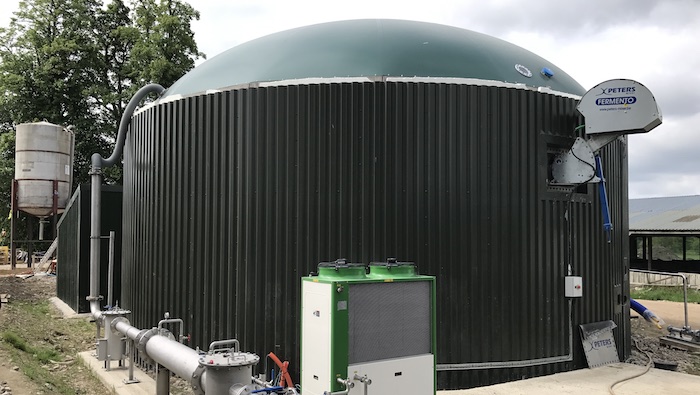
Anaerobic digestion of animal slurry, vegetable waste, silage and specifically grown crops (e.g. Maize) is a process that requires professionally designed and manufactured equipment to collect, store, pressurise, burn, clean and use biogas to generate electricity, provide heat, run hot water boilers and eventually to fuel vehicles and inject back into the natural gas grid network.

We have the process and engineering knowledge to build and construct farm digesters here in the UK.  We are flexible in our designs and approach to construction and will work with you to build cost effective Anaerobic Digesters.

Constructing tanks to our design and purchasing major items of plant yourself will help avoid mark-ups and reduce considerably the build cost.

We design simple and robust anaerobic digesters using rectangular concrete tanks or lagoons. Delivered containerised and pre-built mechanical and electrical plant minimise installation times.

BioGas Products will;

Process design and turnkey build; or

Process design and help you to build

Biogas Products Ltd are able to provide:-

  • Process design and advice
  • Turnkey systems or refurbishments
  • Operating and maintenance contracts

Our process partner has over 25 years experience designing and building anaerobic digester plants with references in 5 different countries.

  • Flexible reliable designs
  • High solids loadings
  • No digester internal moving parts.
  • Steel or concrete tanks
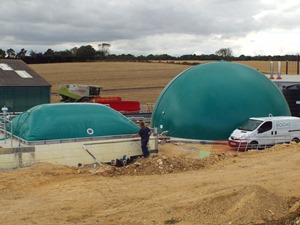
  • Lagoon type digesters

Benefits

The benefits of AD to the Farmer:-

  • Provides a profitable income and creates diversification opportunities
  • Opens market options for green power, heat and fertilisers
  • Improves nutrient management and grows better crops

Click the image to open an enlarged PDF

Biogas Products Ltd will design, manufacture, install, and commission anaerobic digestion plants that are ROBUST and SIMPLE to operate.

We can supply all (or part should the client wish to procure items himself) the necessary mechanical and electrical equipment to construct a fully automatic anaerobic digestion plant.

Typical scope of supply:-

  • Digester tanks (steel, concrete, lagoons)
  • Digester mixing systems / compressors
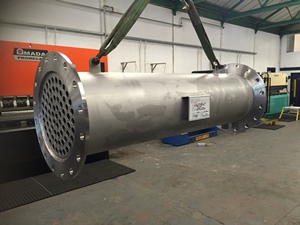
  • Digester heating systems (Boilers, Heat Exchangers)
  • Sludge recirculation pumps
  • Membrane Gas holders
  • Gas pipework distribution systems
  • Flare and vent stacks
  • CHP units
  • Sludge dewatering systems
  • Motor control centres
  • Site cabling and instrumentation
  • PLC / SCADA, remote monitoring and control.
  • Compliance with ATEX & DSEAR regulations